Community, Compassion, and Care: Raising Awareness About Addiction Treatment Options

Addiction is a challenge that affects not only individuals but also families and entire communities. Understanding the full range of treatment options and recognizing the importance of compassionate support can transform the way we respond to substance use disorders. At La Trenza Counseling, we believe that community awareness, empathy, and individualized care are essential in helping people access the resources they need to achieve lasting recovery.

Why Raising Awareness About Addiction Treatment Matters

Many people struggling with substance use do not seek help because they are unsure about treatment options or fear judgment. Education and awareness help reduce stigma, provide clarity about available services, and empower individuals and their families to take action. When communities are informed, they create environments that encourage recovery and support lasting change.

Addressing Misconceptions

Common misconceptions about addiction—such as the belief that recovery is only possible through willpower or that treatment is one-size-fits-all—can discourage individuals from seeking help. Raising awareness helps communities understand that:

  • Addiction is a medical and psychological condition.
  • Effective treatment involves both mental health and substance use care.
  • Holistic and faith-based approaches can complement traditional therapy.
  • Recovery is a personalized journey tailored to each individual.

By correcting these misconceptions, communities can provide informed, compassionate support to those in need.

Understanding Treatment Options

Access to clear information about treatment options is critical. La Trenza Counseling offers a comprehensive range of services designed to meet diverse needs, from intensive inpatient programs to flexible outpatient care.

Inpatient Programs

Inpatient care provides a structured environment where clients can focus on recovery without external distractions. Intensive therapy, 24-hour support, and individualized treatment plans help clients address both substance use and underlying mental health concerns.

Outpatient Programs

Outpatient care offers flexibility for individuals who need support while maintaining work, school, or family responsibilities. Regular counseling sessions, group therapy, and ongoing monitoring ensure that clients receive consistent care while building coping skills for daily life.

Holistic and Faith-Based Approaches

Recovery is not just about abstaining from substances. Holistic methods—including mindfulness, nutrition, physical wellness, and spiritual guidance—address the whole person. Faith-based support can provide additional meaning and purpose for clients who seek spiritual growth as part of their recovery journey.

The Role of Community and Compassion

Community support plays a vital role in sustaining recovery. Families, friends, and local organizations can make a difference by providing encouragement, understanding, and practical assistance. Compassionate communication, awareness of warning signs, and engagement with treatment resources strengthen recovery outcomes.

Educating Families and Friends

Families benefit from learning how to recognize early signs of substance abuse, respond effectively, and participate in the recovery process. Education equips loved ones with the tools to support recovery without enabling harmful behaviors, creating healthier relationships and stronger long-term outcomes.

Creating a Supportive Environment

Communities that embrace understanding and reduce stigma encourage individuals to seek help sooner. This proactive approach saves lives, improves mental health outcomes, and strengthens the bonds that sustain recovery over time.

Taking Action

Raising awareness about addiction treatment options is more than sharing information. It is about building communities that offer hope, compassion, and practical guidance. Education and support empower individuals to take the first steps toward recovery and access care that meets their unique needs.

Conclusion

Community, compassion, and care are essential components of effective addiction treatment. By raising awareness about available treatment options, we reduce stigma, provide guidance, and support lasting recovery. La Trenza Counseling offers a comprehensive approach that combines individualized addiction recovery, mental health treatment, and holistic care. If you or a loved one is struggling with substance use, reaching out today can open the door to professional support, understanding, and a path toward healing and wellness.

From Denial to Hope: How Substance Abuse Education Empowers Families to Take Action

Substance abuse affects more than the individual struggling with addiction. Families often experience confusion, fear, and helplessness as they watch a loved one struggle. Denial is a natural response, but it can prevent timely intervention and prolong the impact of addiction. Substance abuse education offers families the knowledge, tools, and confidence needed to move from denial to hope. At La Trenza Counseling, we help families understand addiction, recognize warning signs, and take informed steps toward recovery and healing.

Understanding the Impact of Addiction on Families

Addiction changes family dynamics. Communication breaks down, trust erodes, and everyday responsibilities can feel overwhelming. Family members may blame themselves, feel guilty, or struggle to set healthy boundaries. Education helps families see addiction as a medical and psychological condition rather than a personal failing.

Why Denial Happens

Denial is often a protective mechanism. Families may hope that the problem will resolve on its own or fear the stigma of seeking help. While understandable, denial can delay intervention, allowing the addiction to worsen. Recognizing and accepting the reality of substance abuse is the first step toward meaningful action.

How Substance Abuse Education Helps

Education equips families with the understanding needed to respond effectively. Learning about addiction, its causes, and its effects fosters empathy and encourages proactive support. Families gain practical skills to engage with loved ones in a compassionate, nonjudgmental way.

Recognizing Early Warning Signs

Through education, families can identify behaviors that indicate substance abuse, including:

  • Changes in mood or personality
  • Withdrawal from family or social activities
  • Neglect of personal responsibilities
  • Secretive behavior or sudden financial problems

Early recognition allows families to seek intervention before the situation escalates.

Learning Healthy Communication Strategies

Substance abuse education teaches families how to communicate effectively with their loved ones. Setting boundaries, expressing concern without blame, and listening actively are essential tools for promoting understanding and encouraging treatment.

The Role of Professional Support

Education alone is not enough. Professional guidance ensures that families can take appropriate, effective action. La Trenza Counseling offers comprehensive addiction recovery and mental health services, including individualized treatment plans, inpatient and outpatient programs, and holistic and faith-based approaches. Families are included in the recovery process through counseling, education sessions, and ongoing support.

Holistic and Faith-Based Approaches

Recovery is more than abstaining from substances. Holistic approaches address mental, emotional, and physical well-being, incorporating mindfulness, wellness routines, and faith-based guidance for those who seek spiritual support. These strategies provide families with tools to support their loved one and strengthen their own resilience.

Personalized Family Support

Every family is unique, and recovery affects each differently. La Trenza Counseling develops personalized plans that consider the needs of the client and their family. This client-centered approach helps families stay engaged, informed, and empowered throughout the recovery journey.

Moving from Denial to Hope

Substance abuse education transforms fear and uncertainty into confidence and action. Families gain awareness, practical skills, and a sense of hope. By recognizing the reality of addiction and partnering with professionals, families can foster recovery, restore trust, and rebuild healthy relationships.

Conclusion

Addiction is a complex challenge, but families do not have to face it alone. Education empowers families to move from denial to hope, equipping them to support their loved one and take effective steps toward recovery. La Trenza Counseling provides compassionate, individualized care for both clients and their families, integrating addiction recovery, mental health treatment, and holistic support. If you or a family member is struggling with substance abuse, reaching out today can be the first step toward healing, understanding, and lasting recovery.

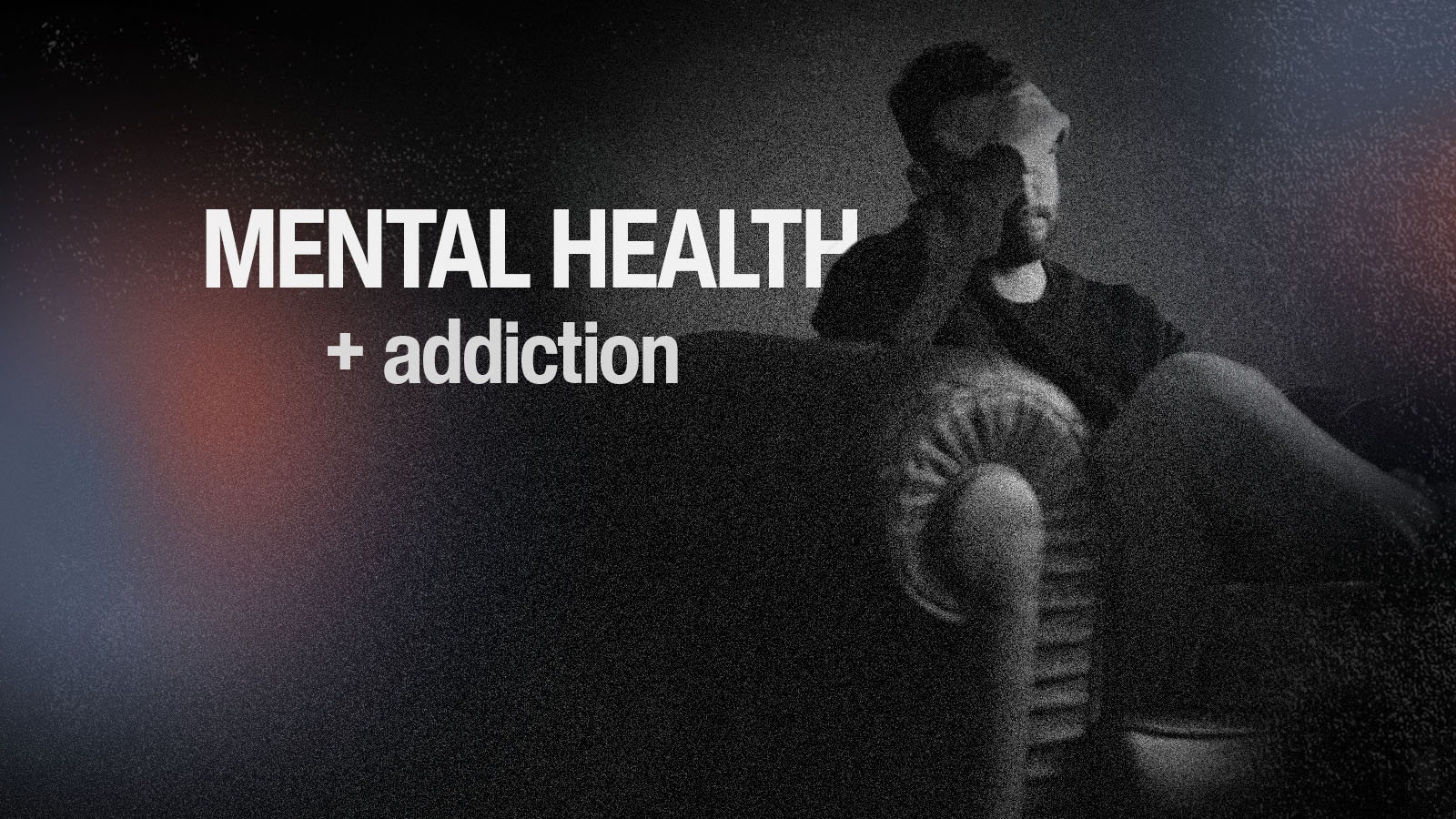
Addiction and Mental Health: Why Awareness of Co-Occurring Disorders Can Save Lives

Addiction and mental health challenges often go hand in hand. For many individuals, substance use disorders coexist with conditions such as anxiety, depression, or trauma-related disorders. These co-occurring disorders, also called dual diagnosis, can complicate recovery if not properly recognized and treated. At La Trenza Counseling, we understand that awareness of these overlapping challenges is crucial. Recognizing co-occurring disorders early can save lives, reduce suffering, and increase the chances of lasting recovery.

Understanding Co-Occurring Disorders

Co-occurring disorders occur when an individual experiences both a mental health condition and a substance use disorder simultaneously. One condition can worsen the other, creating a cycle that is difficult to break without professional intervention.

How Mental Health and Addiction Interact

Substance use may begin as a way to cope with stress, anxiety, depression, or unresolved trauma. While substances can temporarily relieve emotional pain, they often intensify underlying mental health symptoms over time. Similarly, untreated mental health disorders can make it harder to resist cravings or maintain sobriety. Understanding this interaction is key to developing effective treatment strategies.

Common Co-Occurring Conditions

Some of the most frequent mental health conditions seen alongside addiction include:

  • Anxiety disorders
  • Depression and mood disorders
  • Post-traumatic stress disorder (PTSD)
  • Bipolar disorder

Awareness of these conditions allows individuals, families, and clinicians to address both issues simultaneously, improving outcomes and reducing the risk of relapse.

The Importance of Integrated Treatment

Treating substance use without addressing mental health, or vice versa, can limit the effectiveness of recovery. Integrated treatment combines therapies for both conditions, providing a holistic approach that considers the mind, body, and spirit.

Benefits of Integrated Care

  • Improved relapse prevention through comprehensive support
  • Better management of mental health symptoms alongside recovery
  • Enhanced coping skills and stress management strategies
  • A more personalized and client-centered recovery experience

La Trenza Counseling emphasizes individualized care plans that reflect each person’s unique challenges and strengths, ensuring the most effective support.

Inpatient and Outpatient Care Options

Recovery programs vary in intensity based on individual needs. Inpatient programs offer structured, intensive support for those requiring close supervision, while outpatient programs provide flexibility for individuals balancing work, school, or family responsibilities. Both settings prioritize safety, accountability, and consistent mental health care alongside addiction treatment.

Holistic and Faith-Based Support

Integrated care is enhanced by holistic and faith-based approaches. Mindfulness, physical wellness, nutrition, and spiritual guidance all play a role in building resilience, fostering emotional stability, and supporting long-term recovery. These approaches empower clients to heal on multiple levels and maintain wellness beyond structured treatment.

Recognizing When to Seek Help

Early recognition of co-occurring disorders is essential. Signs may include:

  • Persistent substance use despite negative consequences
  • Increasing anxiety, depression, or emotional instability
  • Trouble maintaining work, school, or personal responsibilities
  • Difficulty coping with daily stressors without substances

Promptly seeking professional care can prevent complications, improve quality of life, and increase the likelihood of sustained recovery.

Conclusion

Awareness of co-occurring mental health and substance use disorders is a life-saving step. By recognizing the signs, understanding the interaction between conditions, and seeking integrated professional care, individuals can break the cycle of addiction and mental health struggles. La Trenza Counseling offers compassionate, client-centered treatment that combines addiction recovery services, mental health care, and holistic support to guide individuals toward lasting wellness. If you or someone you love is facing addiction alongside mental health challenges, reaching out today can start the journey to healing, hope, and a fulfilling life.